In today’s competitive app market, keeping users engaged and satisfied is more important than ever. In this article, we’ll explore how user incentive systems work, the different types of rewards you can offer, the psychology behind them, and common pitfalls to avoid – plus how modern tools like Infatica SDK make rewarding users effortless and user-friendly.
What Are User Incentive Systems?
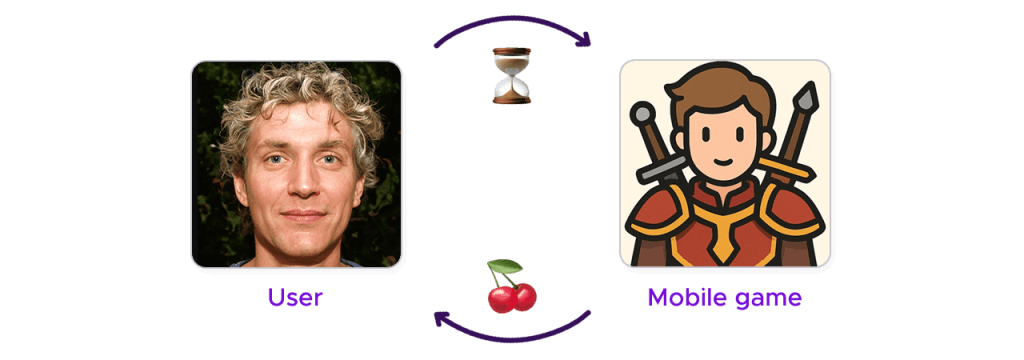
User incentive systems are structured reward mechanisms designed to encourage specific user behaviors – whether that’s engagement, retention, contribution, or simply continued app usage. In modern apps, incentives are no longer just “nice-to-have” extras; they are a core part of the product experience and monetization strategy.
At their core, these systems are built on a simple value exchange: users receive something meaningful in return for their time, attention, activity, or participation. The more aligned this exchange is with user expectations, the more effective the system becomes.
For developers, well-designed incentive systems can:
- Increase user retention and session frequency
- Improve engagement without forcing intrusive UX patterns
- Open additional monetization channels
- Strengthen long-term user loyalty
For users, incentives can:
- Reduce friction (e.g., removing ads or paywalls)
- Provide tangible or perceived value
- Make the experience feel more rewarding and fair
However, not all incentives are created equal. The effectiveness of a system depends heavily on how rewards are structured, delivered, and communicated. Below are the most common types of user incentives used in apps today, along with their strengths, limitations, and real-world applications.
Comparison of User Incentive Types
| Incentive Type | User Effort Required | Perceived Value | Scalability | UX Impact | Best Fit Use Cases |
|---|---|---|---|---|---|
| Virtual Currency | Medium | Medium | High | Neutral | Games, loyalty systems |
| Real-World Rewards | High | High | Medium | Can be disruptive | Surveys, cashback, referrals |
| Feature Unlocks | Low–Medium | Medium–High | High | Positive | SaaS, productivity, content apps |
| Passive Rewards | None | Medium–High | High | Very positive | Utility apps, background services |
The Psychology Behind Incentives
Every incentive system, no matter how simple, is ultimately built on one question: why do users choose to engage in the first place? Rewards don’t just influence behavior – they shape how users experience your product, how often they return, and whether they feel the exchange is fair.
A useful starting point is the distinction between intrinsic and extrinsic motivation. Some users engage with an app because they genuinely enjoy it or find it useful. That’s intrinsic motivation. Incentives, on the other hand, are extrinsic – they introduce an external reason to act. The most effective systems don’t try to replace intrinsic motivation but build on top of it. If the core product isn’t compelling, no amount of rewards will sustain long-term engagement. But when incentives complement an already valuable experience, they can significantly deepen user commitment.
Timing also plays a subtle but important role. Immediate rewards create a sense of responsiveness – they tell users that their actions matter. Even small, instant feedback can reinforce behavior and make interactions feel satisfying. At the same time, longer-term rewards help build anticipation and give users a reason to come back. Systems that rely too heavily on one or the other tend to fall short: without instant feedback, users lose interest quickly, and without longer-term value, engagement becomes shallow.
Another key factor is how users perceive value. Interestingly, perceived value often matters more than actual value. A small but easily attainable reward can feel more meaningful than a larger one that requires significant effort. In many cases, improvements to the user experience – like removing ads or unlocking features – are valued more highly than minor monetary gains. Users tend to gravitate toward rewards that feel effortless and immediately beneficial, rather than those that require ongoing work.
This ties closely to the balance between effort and reward. People constantly evaluate whether something is “worth it,” even if they’re not doing so consciously. If a system demands too much effort for too little return, it quickly becomes frustrating. On the other hand, if participation feels simple and the benefit is clear, users are far more likely to adopt it and stick with it. This is one reason why low-friction models – especially those that don’t interrupt the user experience – are becoming more popular.
Trust is another foundational element. Incentives only work when users feel confident in the exchange. They need to understand what they’re getting, what they’re giving in return, and whether the process is safe. If there’s any ambiguity – unclear terms, hidden conditions, or vague data usage – engagement tends to drop off. Transparency and control aren’t just legal considerations; they are central to how users evaluate the fairness of a system.
Common Mistakes in Incentive Design
Even well-intentioned incentive systems can fall short if they’re built around the wrong assumptions. In many cases, the issue isn’t the idea of rewarding users – it’s how those rewards are implemented and experienced.
Overcomplicating the system
Layering multiple rules, currencies, conditions, and exceptions might seem like a way to increase engagement, but it often has the opposite effect. When users have to “figure out” how rewards work, many simply won’t bother. The most effective systems are easy to understand at a glance, with clear cause-and-effect between action and reward.
Rewards that don’t feel meaningful
This can happen when virtual currencies lack real utility, or when payouts are so small that they don’t justify the effort required. Even technically “correct” incentives can fail if users don’t perceive them as valuable. In practice, perceived value is what drives behavior – not the objective size of the reward.
Transparency
If users don’t fully understand what they’re opting into, or if important details are hidden in fine print, trust erodes quickly. This is especially true for models that involve background processes, data usage, or delayed rewards. Clear communication isn’t just a compliance requirement – it’s a core part of the user experience.
Disrupting incentives
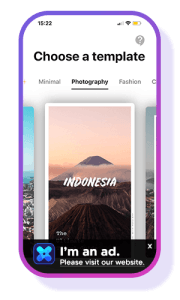
Aggressive monetization tactics – such as forcing users to watch ads, complete repetitive tasks, or navigate intrusive prompts – can undermine the very engagement they’re meant to improve. When rewards come at the cost of usability, users often disengage altogether.
Demanding too much effort upfront
If users are required to complete multiple steps before seeing any benefit, many will drop off before reaching the “reward moment.” Without early feedback or immediate value, it’s difficult to build momentum.
There’s also a tendency to treat incentives as a short-term growth hack rather than a long-term product decision. Systems designed purely to boost metrics – without considering sustainability – often lead to diminishing returns. Users may initially respond to rewards, but engagement fades once the novelty wears off or the system becomes predictable.
Trust and credibility
If users have any doubts about fairness – whether rewards are actually paid out, whether rules might change, or whether participation is safe – they’re unlikely to engage deeply. Incentive systems rely on a consistent and transparent value exchange, and even small inconsistencies can have an outsized impact on user perception.
How Infatica SDK Enables User-Friendly Incentives
Designing incentives that users actually appreciate often comes down to one key challenge: how do you create value without adding friction? This is where Infatica SDK introduces a different approach – one that shifts incentives from active effort to seamless participation.
Infatica SDK is a software library that allows developers to monetize their applications by connecting opted-in users to a secure peer-to-business network. Instead of relying on ads, paywalls, or repetitive reward mechanics, it enables a model where value is generated in the background – without interrupting the user experience.
At a high level, the SDK allows developers to earn revenue based on active users, while giving users the option to participate in a transparent and consent-based system. This opens the door to a new kind of incentive: one that doesn’t require constant engagement, but still delivers tangible benefits.
Reward Without Friction
Traditional incentive systems often ask users to complete tasks – watch ads, fill out surveys, or reach specific milestones. While effective in some cases, these approaches can feel repetitive or intrusive over time.
Infatica SDK removes that layer of effort. Once a user opts in, participation happens passively. There are no ongoing actions required, no interruptions, and no additional cognitive load. From the user’s perspective, the experience remains unchanged – except for the added value they receive.
This makes it easier to introduce incentives without competing for user attention or disrupting core app functionality.
A Better User Experience by Design
Because the SDK operates in the background, developers can rethink how they monetize their apps. Instead of relying heavily on ads or subscription barriers, it becomes possible to offer a cleaner, more accessible experience.
For example, apps can reduce or completely remove ads, lower paywalls, or provide free access to features that would otherwise be restricted. In this sense, the incentive isn’t always a direct payout – it can also be an improved product experience.
This aligns the interests of both developers and users: revenue is generated without compromising usability.
Transparent and Consent-Based Participation
Trust plays a central role in any incentive system, especially those involving background processes. Infatica SDK is designed with transparency in mind.
Users explicitly opt in to join the peer-to-business network, and developers are required to clearly communicate this participation in their terms (such as the EULA). There are no hidden conditions, and users retain control over their involvement.
Importantly, the SDK does not collect personal user data. The model is built around ethical participation, where privacy and user autonomy are preserved.
Built-In Security and Compliance
To ensure a safe environment for all participants, Infatica SDK incorporates multiple layers of security and compliance.
The network is protected in partnership with Bitdefender, helping safeguard against threats such as malicious or fraudulent websites and phishing attempts. In addition, Infatica adheres to strict international standards, including ISO/IEC 27001, ISO/IEC 27701, ISO 22301, and ISO/IEC 20000-1.
All participants in the network are verified, and activity is continuously monitored to maintain integrity and prevent misuse. The SDK is also fully GDPR-compliant, ensuring that user rights and privacy are respected at every stage.
A Scalable Revenue Stream
From a developer’s perspective, Infatica SDK introduces a predictable and scalable way to monetize user activity. Earnings are generated per active user, with potential revenue reaching up to $0.60 per user per month.
Because this model operates alongside existing monetization strategies, it doesn’t require replacing current systems. Instead, it can complement them – adding an additional revenue layer without increasing pressure on users.
Ready to Get Started?
User incentives work best when they feel effortless, transparent, and aligned with your app’s experience. Infatica SDK makes it possible to introduce that kind of value exchange – without adding friction or disrupting your product. Getting started is straightforward:
- Request the SDK package and review the documentation with your team
- Integrate the SDK into your codebase following the provided guidelines
- Submit a test build for verification by the Infatica team
- Confirm the integration or resolve any issues with support
- Update your EULA to clearly inform users and collect consent
- Test the final version to ensure everything runs smoothly
- Publish your app on your target platforms (Google Play, App Store, Windows Store, etc.)
Once integrated, you can start generating additional revenue from your existing user base – while offering a cleaner, more user-friendly experience.
Frequently Asked Questions
What are user incentive systems in apps?
User incentive systems are reward mechanisms designed to encourage engagement, retention, or participation. They offer users value – such as points, features, or real-world rewards – in exchange for actions, helping developers align user activity with product and monetization goals.
What types of user incentives are most effective?
The most effective incentives depend on the app, but commonly include virtual currency, feature unlocks, real-world rewards, and passive incentives. Systems that combine low user effort with clear, meaningful value tend to deliver the strongest long-term engagement.
How do incentives impact user retention?
Well-designed incentives reinforce user habits and provide ongoing reasons to return. By offering consistent value and clear progress, they help maintain engagement over time, especially when integrated naturally into the app experience without adding friction or disrupting usability.
Are reward-based monetization models safe for users?
They can be safe when built with transparency, consent, and strong security practices. Users should clearly understand what they’re opting into, how rewards work, and how their data is handled. Trust and compliance are critical for long-term success.
Can user incentives replace ads or subscriptions?
In some cases, yes. Alternative models – such as passive monetization – can generate revenue without relying heavily on ads or paywalls. Many apps use incentives alongside existing monetization strategies to create a more balanced and user-friendly experience.